Great Americans: Samuel Doak—Apostle of Learning and Religion in the West
He carried Westminster and Princeton into the woods.
From Frost to Farm
Nearly three centuries ago, in early December 1739, God opened his storehouse and commanded a mighty winter tempest to sweep across Europe and especially to befall and shape the Irish people. Rivers turned to ice, snow saturated air and land, and the sun long vanished. Prior seasons had been comparatively mild and tolerable. But this was a hard shift. For weeks, untold cold invaded and occupied this portion of Adam’s domain, as crops, cattle, and comforts were lost, and even birds dropped dead from the sky in mid-flight. It was called the Great Frost. And in the months to come, drought followed frost, disease and famine followed drought, and many men—if they weren't dying—were reduced to consuming nettles, sour milk, and rotten potatoes, or else to riot, looting, and the jail.
Amidst such harsh and unstable conditions, many undertook efforts to seek refuge wherever it could be found, and for some that was in America, a land which still freshly beckoned a rebirth for European man. Of course, immigration to America for the Scotch-Irish was not new. For decades, the Great Migration had already been underway, having commenced in 1717; and, by 1739 the first two of what would become five total immigration waves had made the worthy trek. Then it was time for the third wave, from 1740-41. It was among this group that Samuel Doak and his wife, Jane (Mitchell) Doak, were to be found. They, like many others of their countrymen, set sail for the New World and likely landed near Philadelphia, before a brief stop in Chester County, Pennsylvania, and finally, a fuller settlement in Augusta County, Virginia.
It was here—in the Shenandoah Valley, a space which Jefferson would later extol as "placid and delightful" yet "wild and tremendous"—where our subject was born. Not Jackson, not Lee; those greats would not shine for some years. No, the one we speak of is Samuel Doak, the son named after his father and grandfather, and the distant ancestor of my wife, and through her, our four children. It was August 1, 1749 when the babe entered the world through the labors of his dear mother, and his hap, as God would have it, was a frontier farm in the Valley of Virginia. Here, distinct Scotch-Irish families founded homesteads and formed early settlements "for the double purposes of affording them a better defense against the dangers of the wilderness and enabling them to enjoy the privileges of social and religious intercourse." Joseph Addison Waddel describes the wider context well:
They climbed the hills, waded the streams, and crept through the forests. Like an invading army, they 'subsisted off the country.' Game was abundant—bears, deer, turkeys, and some buffaloes and elks. For many years there was no lack of fresh meat, and that the first comers had to eat meat without bread for at least twelve months. They located at their will and pleasure on the public domain, built cabins, cleared land, and planted corn.
Communities, though extant, were scattered, and roads were little more than trails already forged by the Indians. After constructing their own cabins, the next task for the settlers was to build the meeting-house for worship. Stones, not logs, composed its walls, and limestone or sand its mortar. Sabbath and family worship were staples. At times, families, in prioritizing the church and its furnishings, would lack the necessaries at home, such as knives and forks, should they have guests. Doak was thus raised and reared among a pious and hardy people. Into the wilderness they brought not only themselves and a pioneer spirit, but "their Bibles, their catechisms, and their Confession of Faith." In his own family, when the Presbyterian Church in America split over the Old Side vs. New Side controversy, Doak's parents remained with the former, indicating they had strict confessional convictions about religion, which no doubt influenced young Samuel.
From the Shenandoah to the Old Southwest
In time and with the blessing of heaven, the boy became a lad, and around the age of sixteen he formally professed his faith in Christ and left the family farm to pursue his education under the tutelage of Robert Alexander. To young Doak, it was a classical grammar school focused on Latin, Greek, and preparatory studies, an educational cradle which one Archibald Alexander would later share; but to you and me it is known as Washington and Lee University. With the Doak homestead at a distance from the school, he and another student, proving their industriousness, constructed a hut near it for more suitable lodging and travel conditions. Upon completion of studies, he shipped to Maryland, where he attended Nottingham Academy and offset expenses as an assistant teacher. Determined to seek further education, even against the wishes of his father, he offered to forfeit his part of the family inheritance to his brothers. In 1773, he began learning under the eminent John Witherspoon at the College of New Jersey at Princeton, and, being two years advanced, he graduated in 1775.
In the fall of '75 he married Esther Montgomery, with whom he would have five children. Following this, the new husband and graduate went west for a period to Pequa, Pennsylvania to undertake a double task: to serve as assistant teacher under the Rev. Robert Smith (a native of Ulster), and to commence the study of theology. Incidentally, the Pequa Academy was a Log College of the New Side. Students were required to possess a thorough and working ability in Latin and Greek, to "read carefully and attentively the entire work" of whatever author they had started, whether Ovid, Virgil, or others, and to use Latin as "the habitual language of the school", where, aside from conversations, students would also engage in regular competitions, both formal and informal.
The year 1776 saw a number of significant American events: the publication of Common Sense by Thomas Paine, the vote and adoption of the Declaration of Independence by the Continental Congress, and, late in the year, the Crossing of the Delaware by Washington. In January of that same year, Doak began serving as temporary substitute faculty for the newly founded Hampden-Sydney College, which post he held until fall. He continued his theology studies under the College head, Samuel Stanhope Smith, and later William Graham. In October 1777, Doak, along with Edward Crawford and Archibald Scott, was examined in science, moral philosophy, and theology, and finally licensed by the Hanover Presbytery to preach the gospel. About a year later he was ordained. Mission work near Abingdon, Virginia was his first task before accepting a call from the congregations of Hopewell and Concord in East Tennessee, making him the first Presbyterian minister to advance and settle in that territory.
In The Winning of the West, President Theodore Roosevelt hailed Doak as
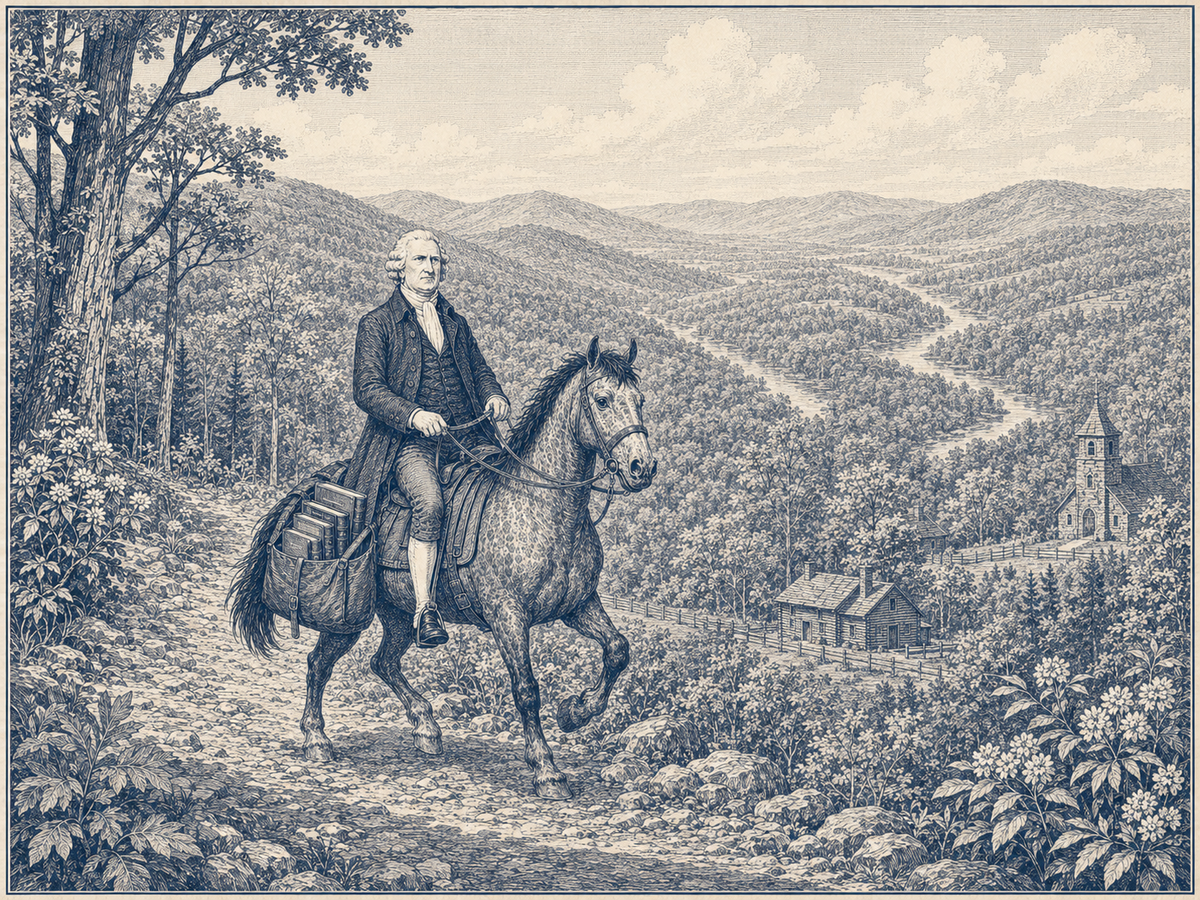
a pioneer preacher, who worked with fiery and successful energy to spread learning and religion among the early settlers of the southwest... He came from New Jersey, and had been educated in Princeton. Possessed of the vigorous energy that marks the true pioneer spirit, he determined to cast in his lot with the frontier folk. He walked through Maryland and Virginia, driving before him an old 'flea-bitten grey' horse, loaded with a sackful of books; crossed the Alleghanies, and came down along blazed trails to the Holston settlements. The hardy people among whom he took up his abode were able to appreciate his learning and religion as much as they admired his adventurous and indomitable temper; and the stern, hard, God-fearing man became a most powerful influence for good throughout the whole formative period of the southwest.
Peril and Promise of the Frontier
From Columbus forward, God had granted the land of America, full of potential, to the White man. But being a gift did not mean it came without demands. It had to be explored, tamed, and cultivated, and at times, it had to be bled for—just as Joshua, Caleb, and the Hebrews fought for Canaan. In addition, many of the amenities and infrastructures which we possess and make ready use of did not exist nor could scarcely be conceived in the 18th century. There was no Interstate highway. No Walmart. No 911. No internet. But there were dangers and perils, chief among them, Indians—in particular, the Cherokees.
The Indians were "resentful and hostile," says Doak's biographer, Earle W. Crawford. They clashed with the settlers in "violence and tragedy." But this is arguably too short and therefore too scant a summation. For a fuller and more vivid description, one which should better aid us in grasping the full perils at play, Ramsey will oblige us:
During the formation and defence of all these stations, a volume would not contain the instances of Indian outrage and aggression perpetrated against the property and lives of the inhabitants, nor the heroic and soldierly conduct of the brave frontiermen, in protecting themselves, repelling invasion, pursuing and chastising the savages, inflicting a just retaliation with vengeful severity upon the cruel Cherokees, in their distant villages and the seclusions of the mountains. Boys became men—women turned soldiers—assisting in defence of the family and the home. Vigilance and heroism, and fearlessness and energy, characterized the entire population. Could a diagram be drawn, accurately designating every spot signalized by an Indian massacre, surprise or depredation, or courageous attack, defence, pursuit or victory by the whites, or station, or fort, or battle-field, or personal encounter, the whole of that section of country would be studded over by delineations of such incidents. Every spring, every ford, every path, every farm, every trail, every house, nearly, in its first settlement, was once the scene of danger, exposure, attack, exploit, achievement, death.
Incidentally, on more than one occasion Doak's preaching was interrupted by report of Indian incursions. In one example, there came shouts of a horse rider: "Indians! Indians! Ragdale's family are murdered!" In an act that to today's spiritually languid minds might constitute blasphemy, Doak stopped preaching, referenced the Israelites who faced similar dangers, prayed to God for help and protection, and then, with other men, pursued the enemy. During another Indian threat, he dismissed school and led his students to the camp of Colonel John Sevier. The missionary preacher was also a ready warrior and eluder.
Sometimes the threat came closer to home when he was not home.
On one occasion while he was absent from home, having traveled thirty miles towards Abingdon to purchase cornmeal and other supplies for his family, the barking of the dogs alerted his wife to the approach of hostile Cherokees. With the baby asleep in her arms, Mrs. Doak slipped quietly into the woods and from her hiding place watched the Indians enter the cabin, carry out some of the furniture, and before stealing away with the plunder, set fire to the building. 'She considered it a remarkable providence that her child did not awake; for if it had, the novelty of the passing scene would have produced fight and crying, and would thus have betrayed their place of concealment, and both the mother and child would thus have become victims to Indian barbarity. After the departure of the Indians, she went, by a blind path, ten miles to the nearest station, where she met, the next day. her husband.'
Again, in another instance, Doak and his second wife helped repel a garrison attack:
The garrison had some of the best riflemen in the country within it, and, observing the number and activity of the assailants, they loaded and discharged their guns with all possible rapidity. The women assisted them as far as they were able. One of them, Mrs. McEwen, mother of R. H. McEwen, Esq., of Nashville, and since the wife of the Senior S. Doak, D.D., displayed great equanimity and heroism. She inquired for the bullet moulds, and was engaged, busily, in melting the lead and running bullets for different guns. A bullet from without, passing through the interstice between two logs of the station, struck the wall near her, and rebounding, rolled upon the floor. Snatching it up, and melting and moulding it quickly, she carried it to her husband and said: “Here is a ball run out of the Indians’ lead; send it back to them as quick as possible. It is their own; let them have it in welcome.”
Despite these and other risks, Doak was not static in his energies; he spread them far and wide, set on casting the seed of the word upon all grounds, such that he made "frequent preaching tours to the scattered settlements that were without resident ministers." For about two years he sowed in Sullivan County, then went on to Washington County, where he settled. He didn't choose the place as much as the souls there chose him: one day he rode through the forest as men were felling trees; they asked him to stop and preach; he obliged; and they, having taken a liking to him, requested he remain; and so he did, purchasing a farm and raising three log structures: one for his family, his church, and his school.
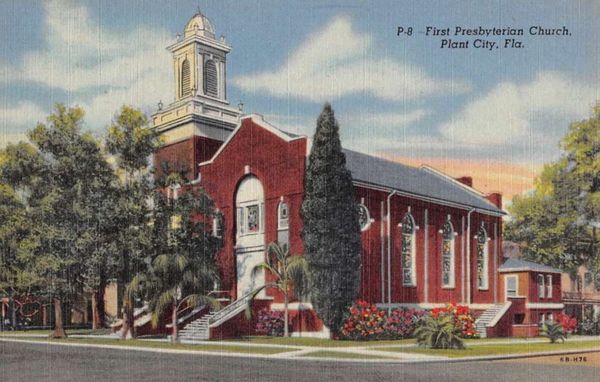
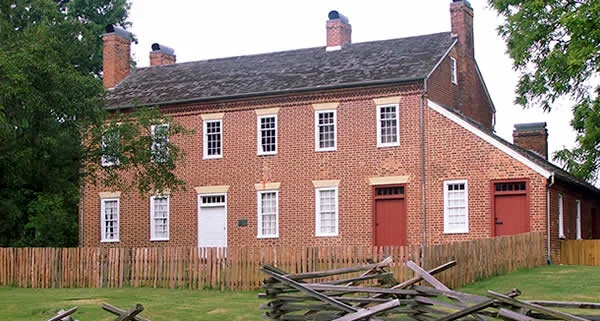
This was Salem Presbyterian Church, the first church organized in Tennessee, and Martin Academy (named after the NC Governor, Alexander Martin), the "first institution of learning in the West... the first that was ever established in the great Valley of the Mississippi." As church historian J. E. Alexander noted, here "many received their education who were afterwards men eminently useful in Church and State." The school would later be renamed Washington College, in honor of the great President. Doak presided over it for many years, and when his direct labors there were complete, the same educational impulse passed into Tusculum Academy, which he founded with his son, Samuel Witherspoon Doak. About this time, he "was honoured with the degree of Doctor of Divinity from both Washington and Greenville Colleges, in 1818." Thus, from the first log school near Salem to the later academy at Tusculum, his life retained a single and steady concern: that the sons of the frontier should not be left to grow up without letters, discipline, doctrine, and public usefulness.
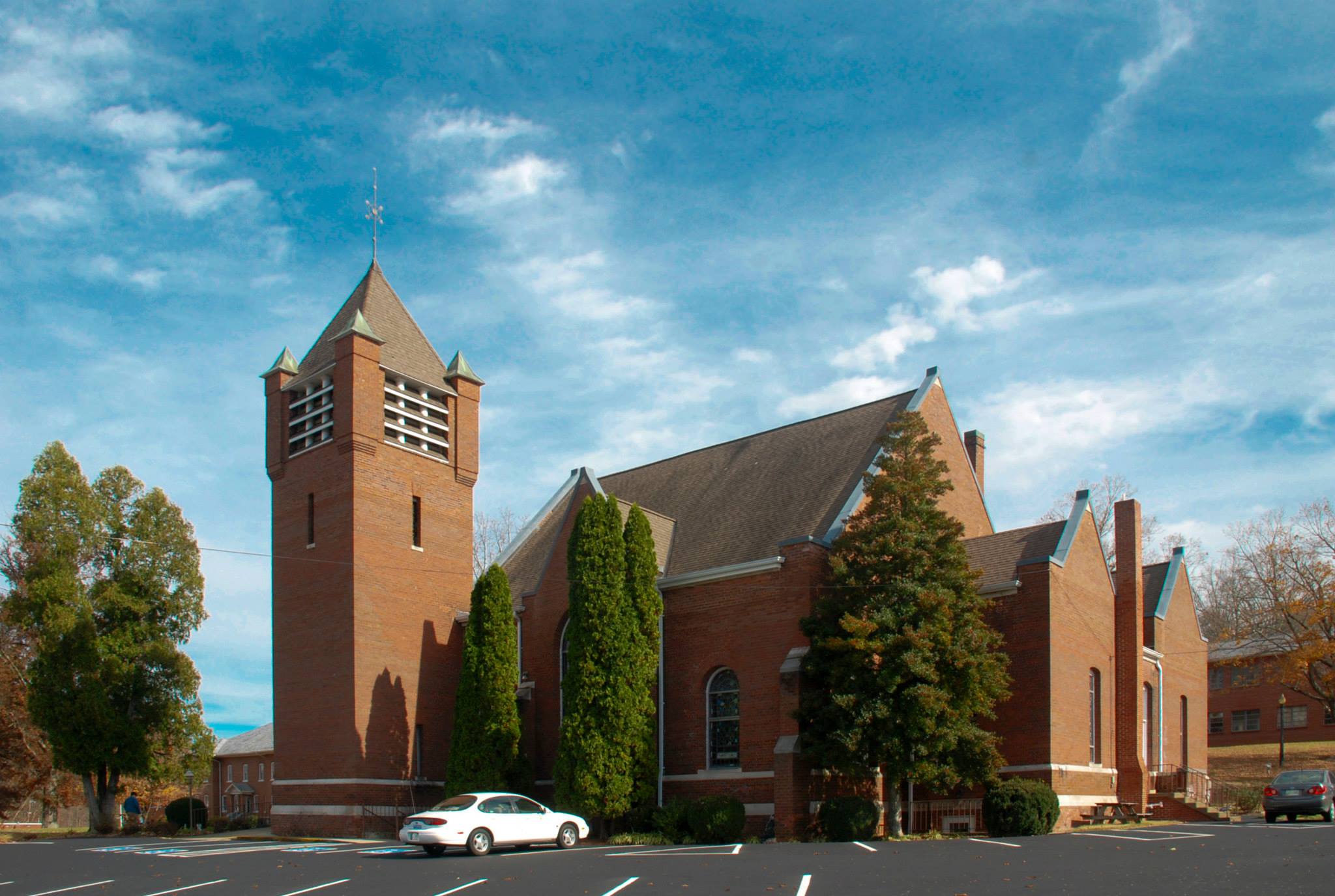
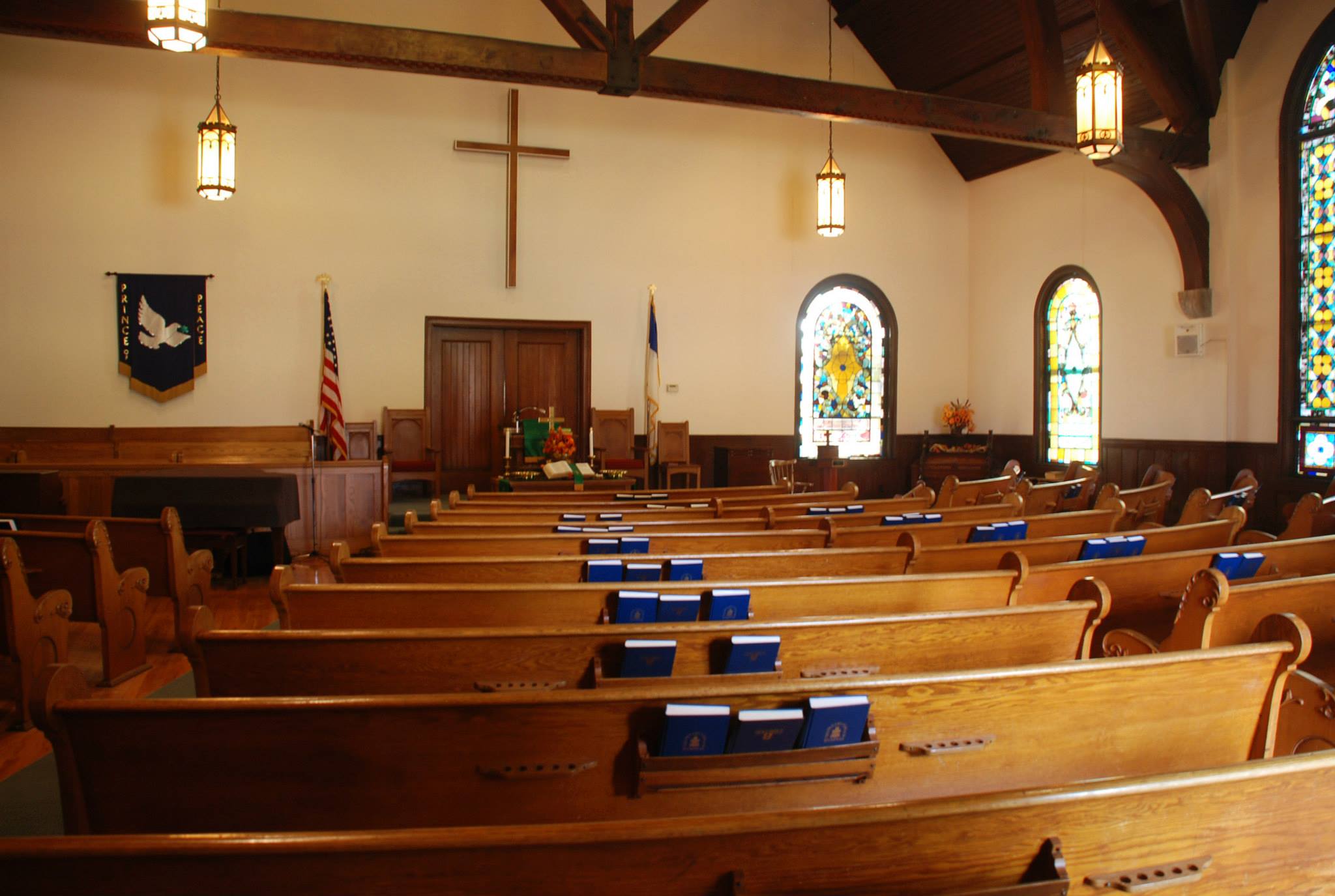
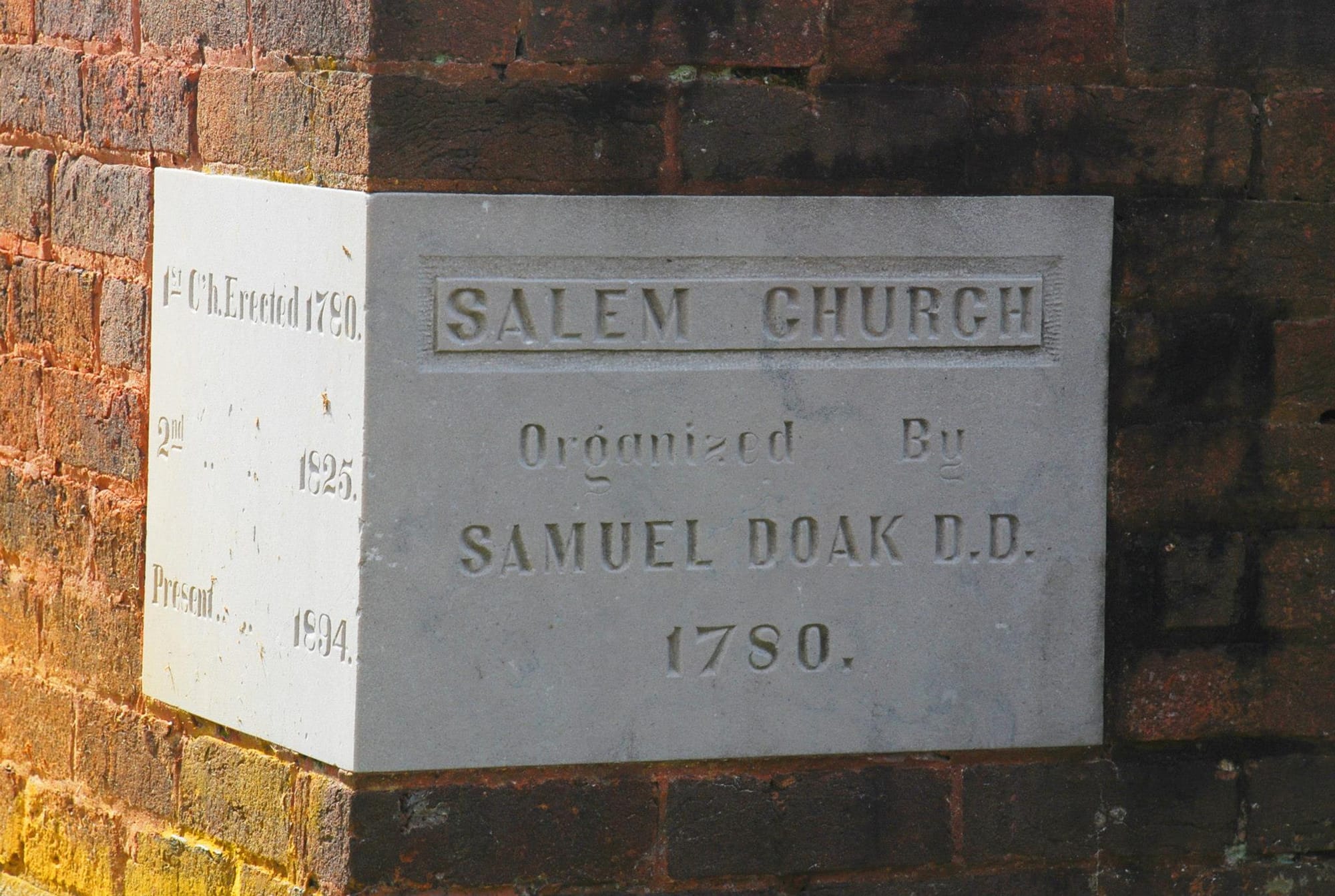
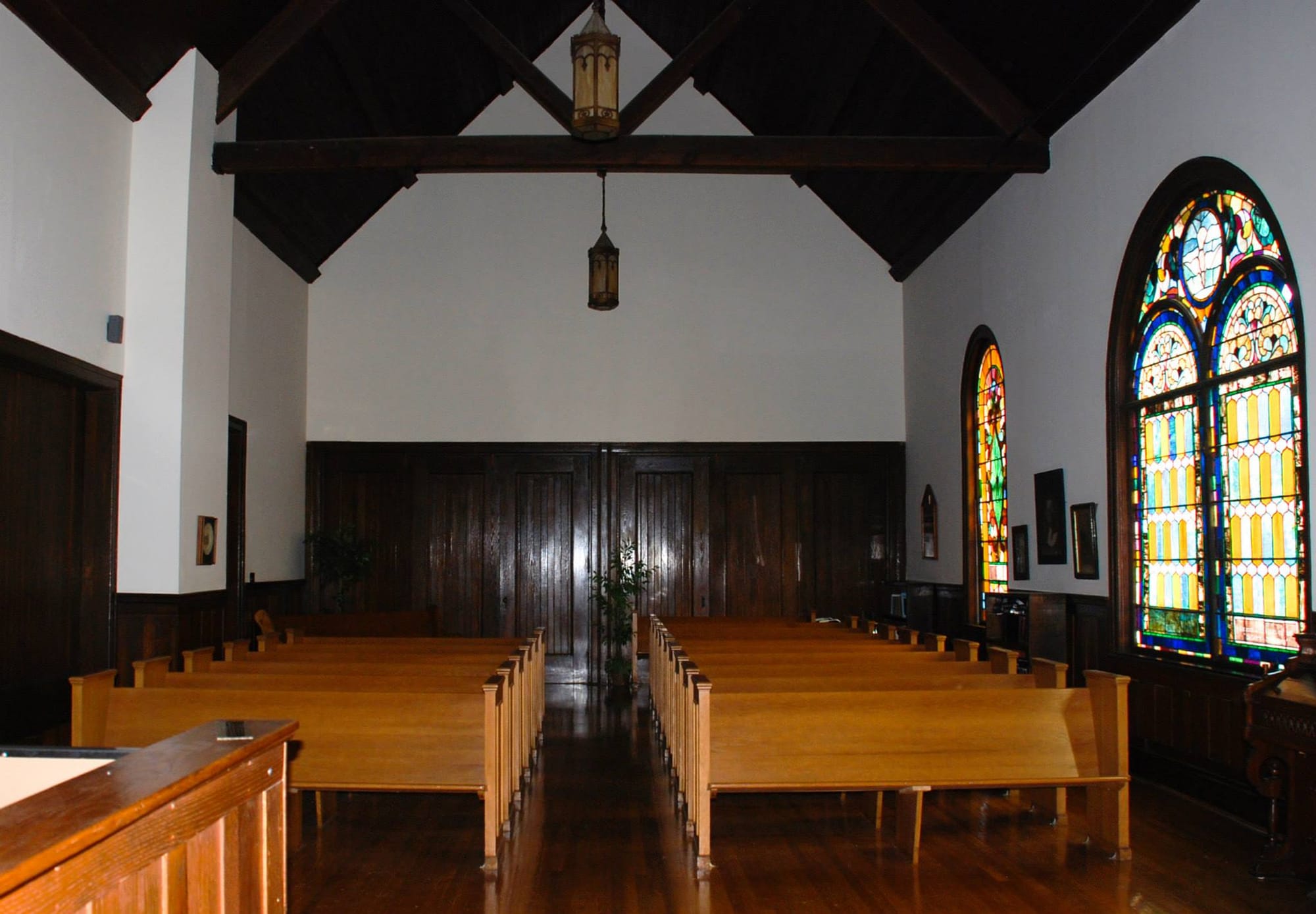
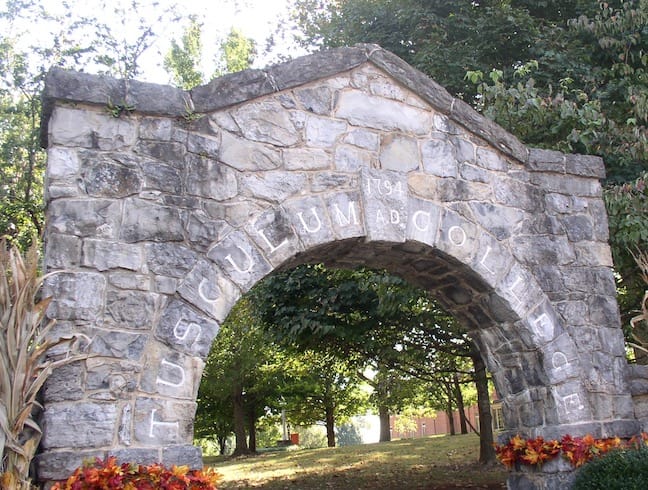
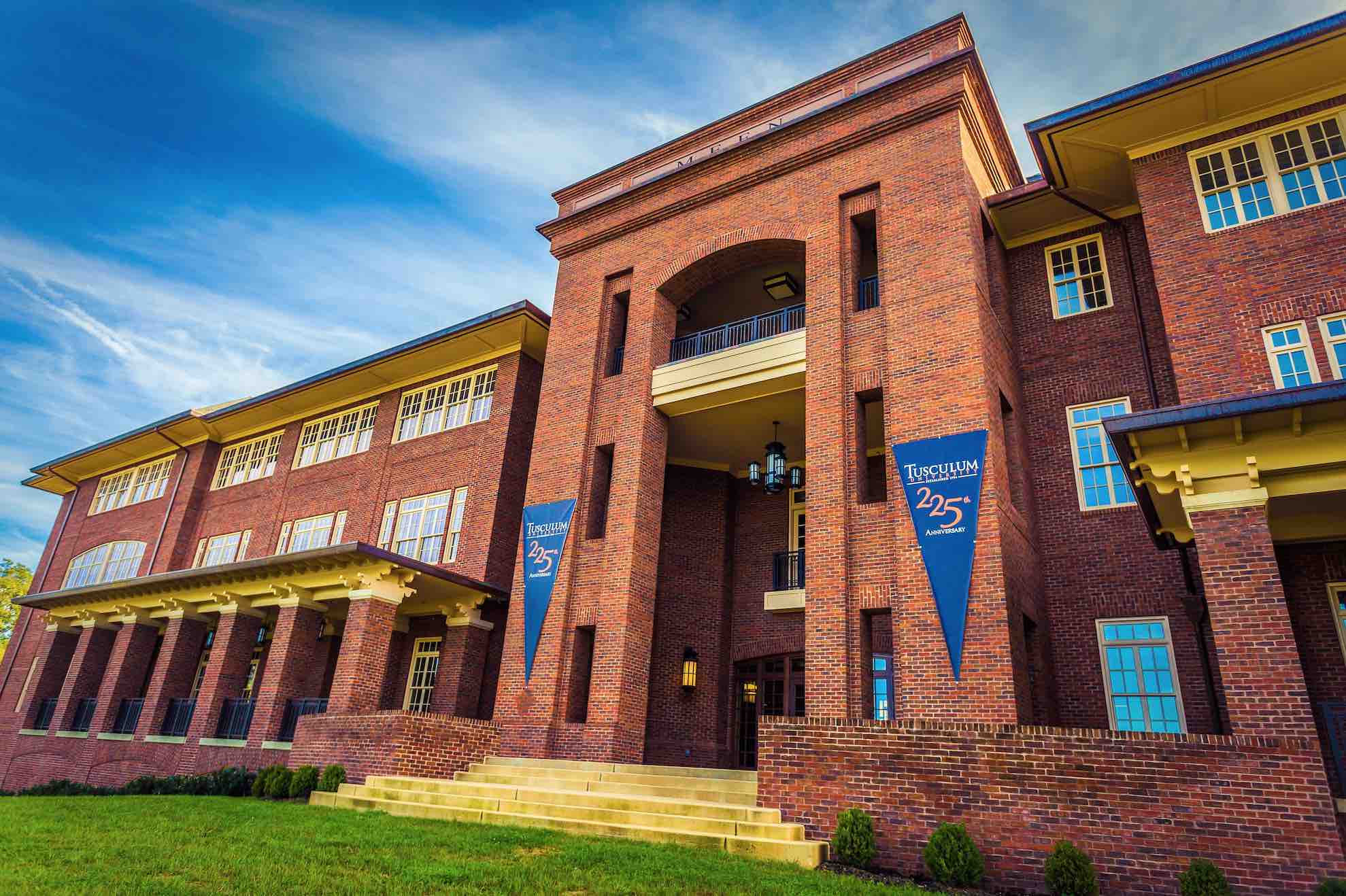
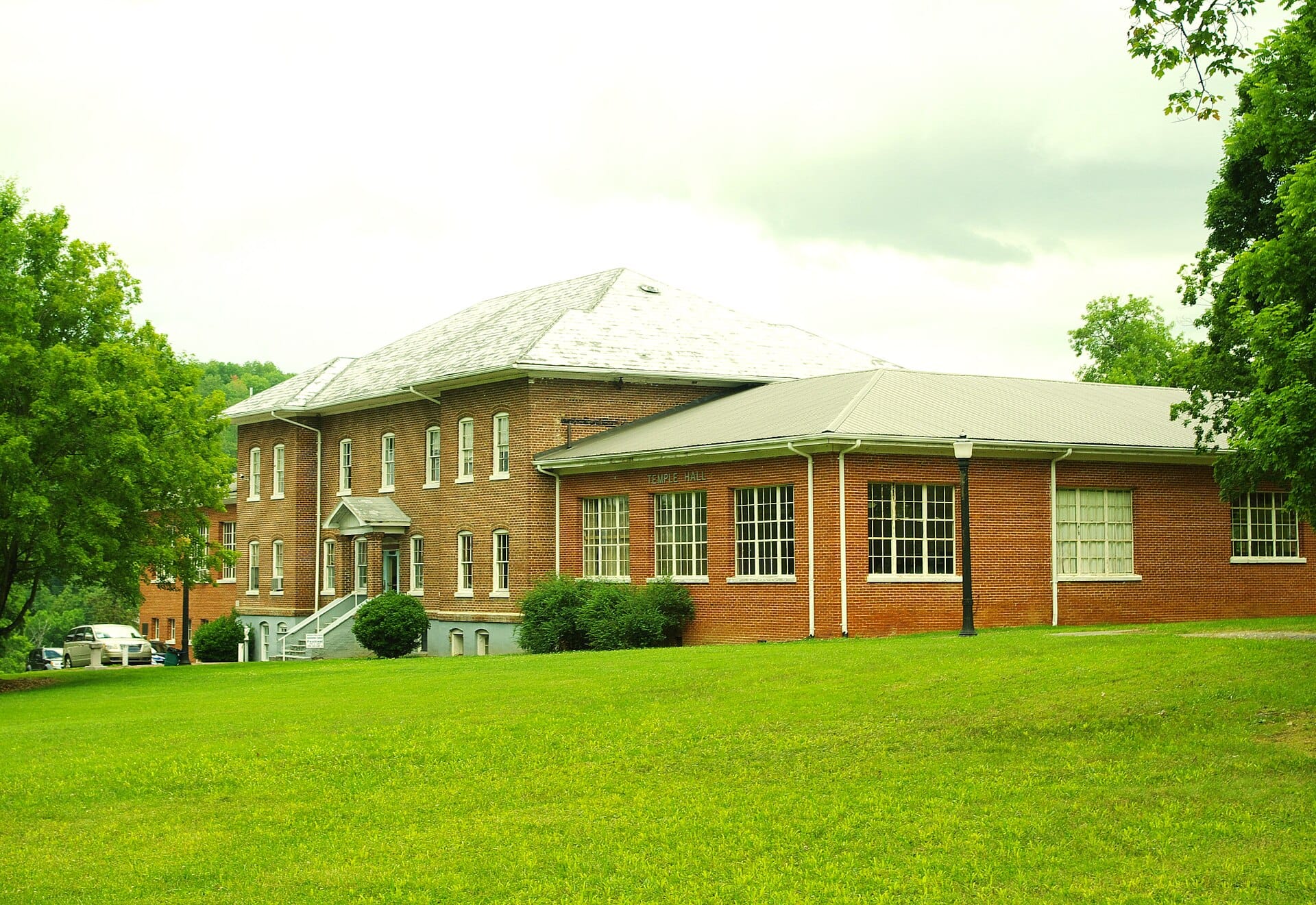
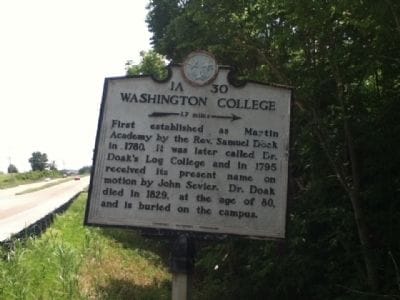
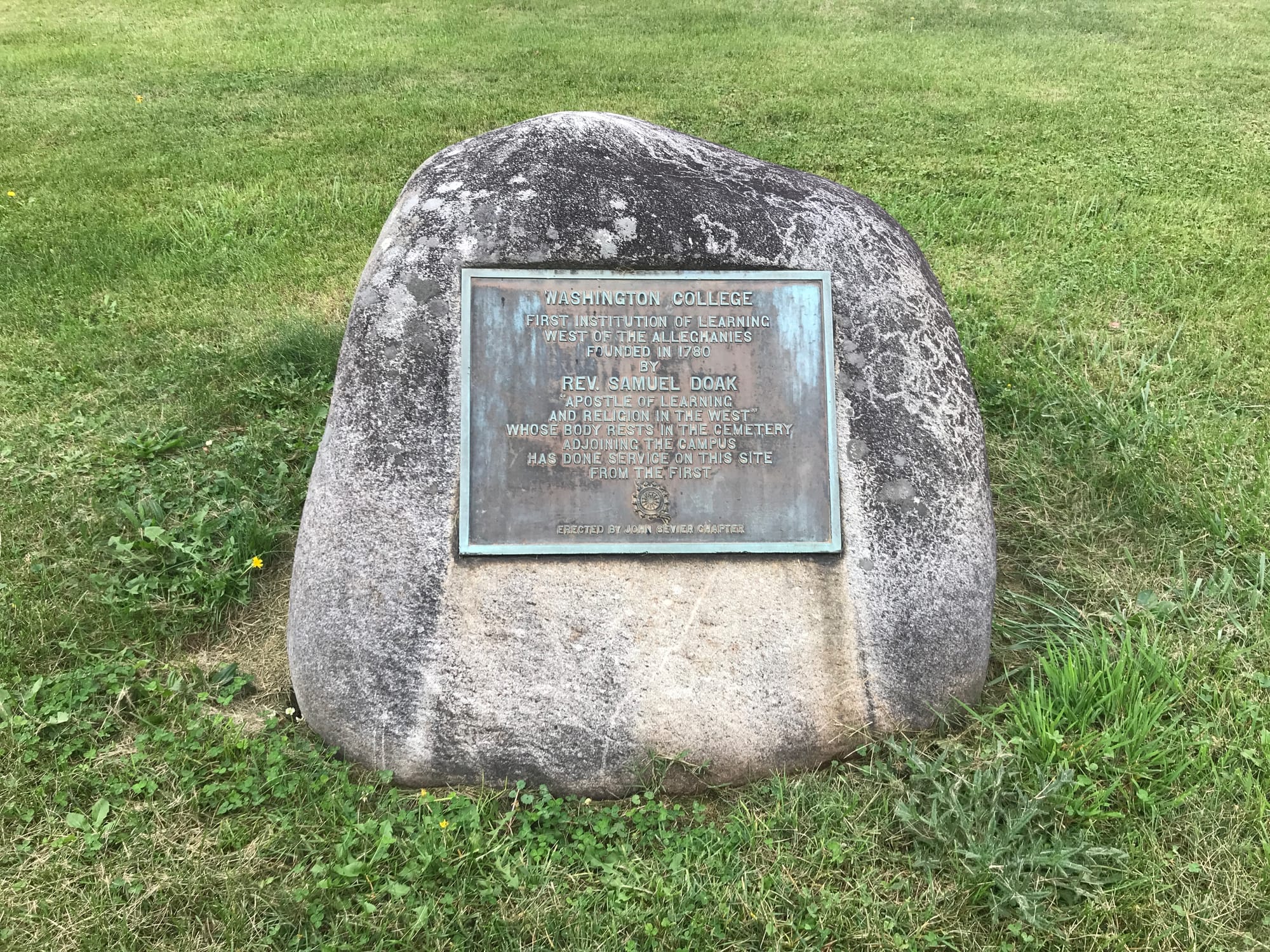
Images of Salem Church, Tusculum College (now Unversity), and Washington College.
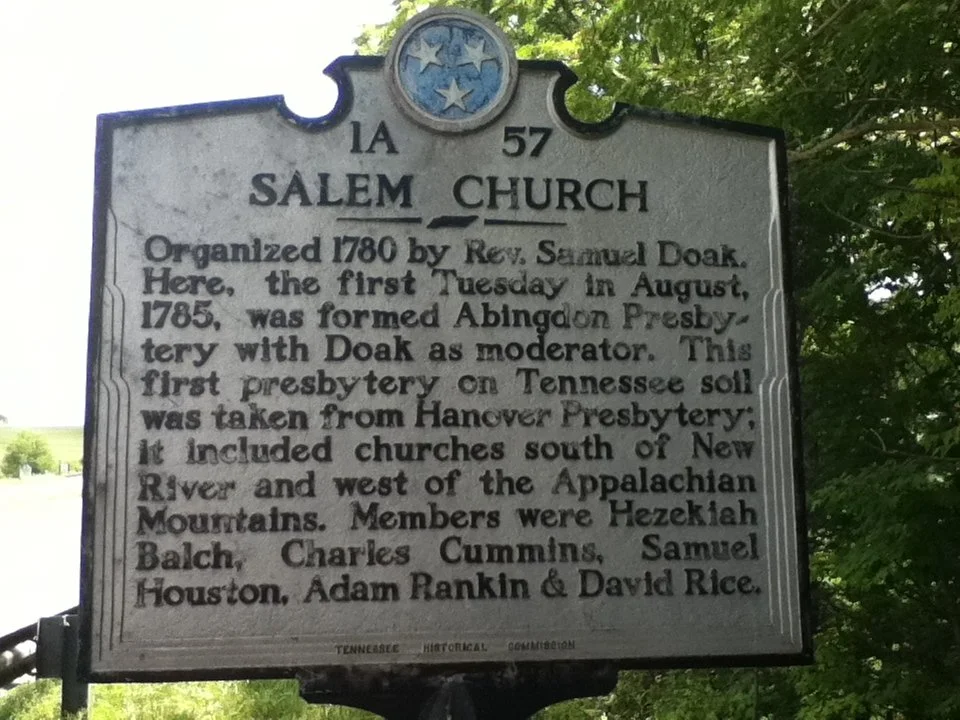
In the same year (1780) that he formed the Salem congregation, he also established several others: New Providence, Carter's Valley, and Mount Bethel. In total, he is reported to have ultimately organized upwards of twenty-five churches in East Tennessee throughout his life, including Upper Concord, New Bethel, and Hebron. In 1785, he was indispensable in the establishment of Abingdon Presbytery, serving as the first moderator. Beyond these ecclesial efforts, he also undertook service to the state, in particular the State of Franklin, where tensions between settlers in Holston and the state government had peaked, and, as a result, the three western counties of Washington, Sullivan, and Greene seceded, making John Sevier their governor. Though the state was short-lived and soon passed in 1788, Doak served as member of the Constitutional Congress and recommended a provision for a state university. Later, at the age of sixty-five, he taught himself Chemistry and Hebrew, going on to teach both, and conducting the first Hebrew examination in education in Tennessee in the year 1815.
His wife, Esther, died in 1807, and he was afterward married to Margaretta H. McEwen, who survived him by a little less than a year, dying September 22, 1831. By the time of his own death on December 12, 1830, Doak had lived from colonial America into the early republic, from the age before independence into the age after constitutional settlement, from the eastern Valley into the Old Southwest. He had passed through the sorrows and renewals of domestic life, and had seen war, migration, settlement, ecclesiastical division, political experiment, Indian barbarity, church planting, and the beginnings of higher learning in the West. Amid these tumults and beginnings, he stood among those men by whom the region, and thereby the American nation, was given form.
He was, in sum, a book-bearing pioneer, a Presbyterian church-planter, a frontier schoolman, a farmer-preacher, a householder, a former of institutions, and a state-minded minister. He carried Princeton into the woods, not as an ornament, but as an inheritance to be multiplied in men. He brought the old grammar into the clearings, the confession and catechism to the cabins, and church order, sermons, Latin, Greek, discipline, and public spirit to a developing race which might otherwise have been left with courage alone.
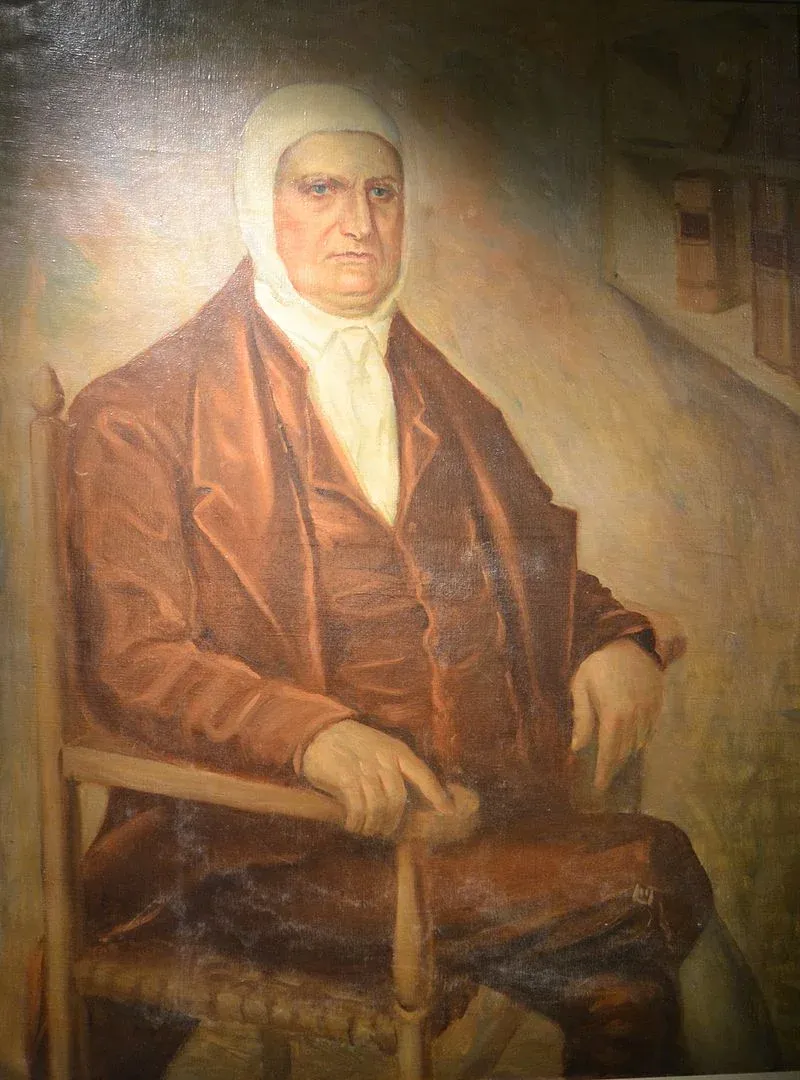
What Was He Like?
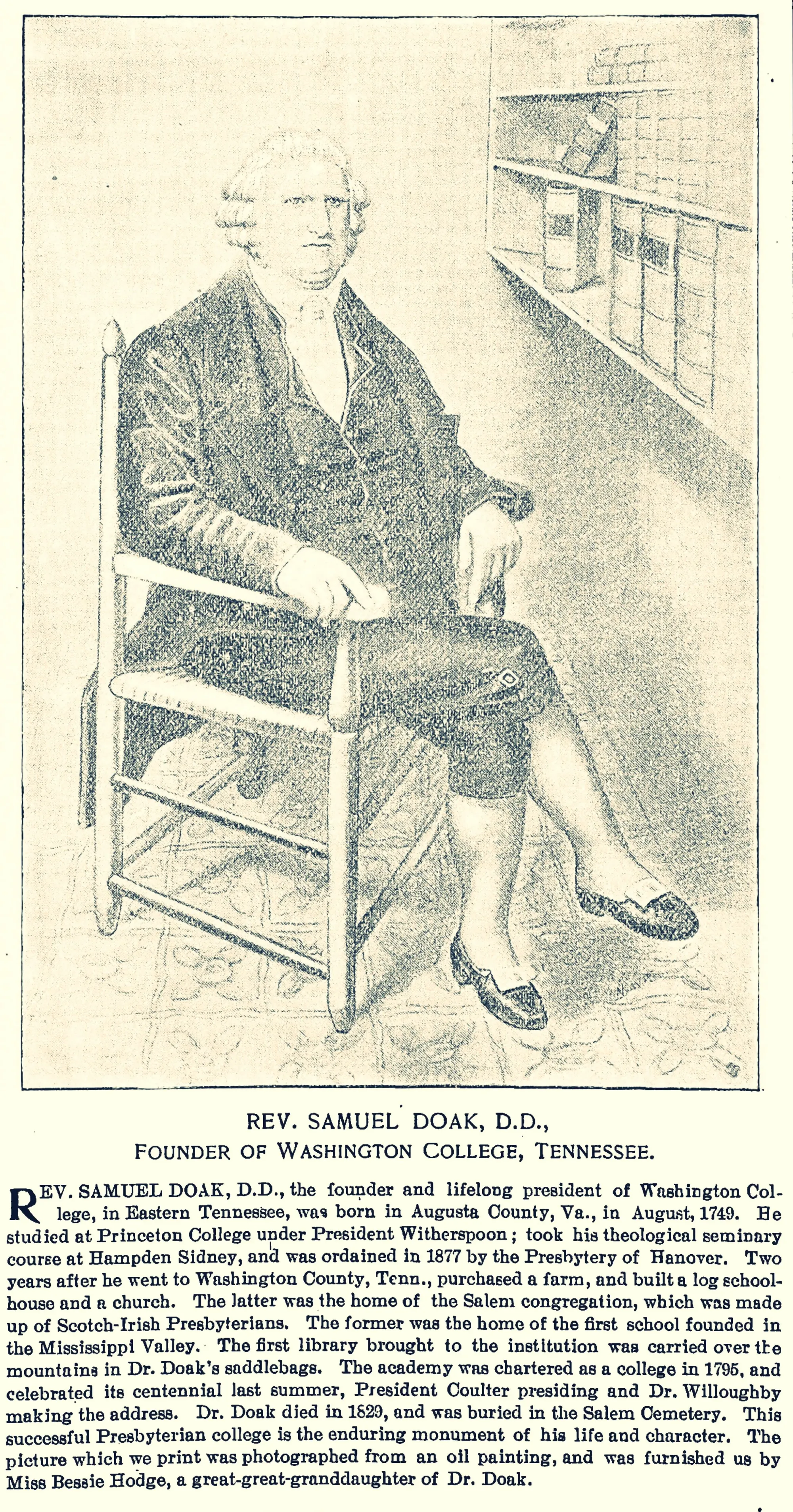
Concerning insight into what he was personally like, we are not left without description. Several reports and anecdotes can be found. First, I share one thing which I consider a real blemish. The best of men are men at best, and Doak was not without reproach. My interest here is not malice, but honesty and profit, and I take leave to do so from God’s own example in Scripture, where the sins and errors of his saints are not concealed. Doak was an early opponent of slavery, eventually freeing his slaves to live in Ohio; and he shared this view with some of the men he trained for ministry, some of whom relocated to the North due to their anti-slavery convictions. His reasons here are, as far as I can see, not known, and in charity we may impute the best of motives to him while yet disagreeing fundamentally.
Now for the manifold matters which I judge to be in his favor. He was by all accounts raised as a strict Calvinist in an Old Side Presbyterian household, convictions which he held well into adulthood and made his own. For example, when Abingdon Presbytery was divided due to differences between its Old Side and New Side ministers, Doak was "the determined and persevering opposer of Dr. [Hezekiah] Balch and his adherents in the [liberal] Hopkinsian controversy." Likewise, when hubbub erupted from purported revivals and camp meetings, Doak was less than enthusiastic, cautioning his sheep in public and private against "this widespread physiological phenomenon called 'the jerks.'" Strangely, however, Crawford notes that he was overcome by this once when preaching. It was a puzzle he ultimately attributed to the "strange work of God." He was strict, but not wholly rigid.
Although Doak was not what we would today call a politician or statesman, he nevertheless was a patriot willing to serve his country and he held some distinguishing marks in this regard among his own. Mentioned earlier, his service to the state of Franklin is one example. But to be more particular and concrete, Crawford notes that Doak, as "a good Calvinist... always voted", and that his fellow countrymen and citizens bore such esteem and love for him that he was "generally allowed... to open the polls,—in other words, to vote first." In all likelihood, his labors in church and school procured him the venerable status and thus the political honor.
Of Doak's bearing, character, and speaking manner, one said that his
whole countenance expressed strong intellect, manly good sense, calm dignity, and indomitable firmness... His style of preaching was original, bold, pungent, and sometimes pathetic. His delivery was natural and impressive, and well fitted to give effect to the truths which he uttered... and that he resembled John Knox both in his facial features and in his strong character.
Another gave this report:
His praise is in all our churches... A rigid opposer of innovation in religious tenets; very old school in all his notions and actions; uncompromising in his love of the truth, and his hostility to error or heresy; a John Knox in his character, fearless, firm, nearly dogmatical and intolerant.
Sprague reports:
Dr. Doak's ministry was attended with no small success. Several powerful revivals of religion occurred in connection with it, from the fruits of which proceeded a number of zealous and efficient preachers of the Gospel.
Of his love for Latin:
He read the ancient works on Theology in the languages in which they were originally written: Calvin's Institutes in Latin he always placed in the hands of his theological students; and the Presbytery usually confided to him the Latin exegeses of probationers for the ministry. He had a passion, —not a taste, but a passion, — for philology. He taught the languages to the last; and when the apoplectic tendency was upon him, his discourse to those around his dying bed, though incoherent, was in good Latin.
For fuller biographical insight into Doak and his accomplishments, see these sources:
Sources on Samuel Doak
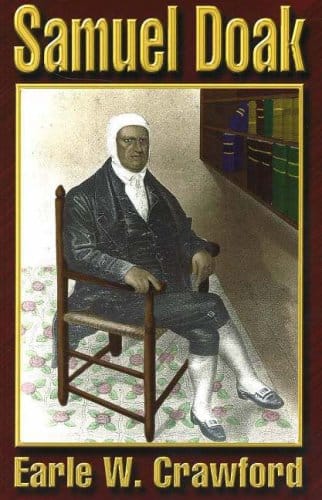
- Earle W. Crawford, Samuel Doak: Pioneer Missionary in East Tennessee, Johnson City, TN: Overmountain Press, 1980.
- William Sprague, Annals of the American Pulpit, Volume III, New York: Robert Carter & Brothers, 1857-69, pp. 392-97. Available here at archive.org.
- Theodore Roosevelt, The Winning of the West, Volume II, New York: Putnam, 1889, pp. 222-23. Available here at archive.org.
- Pioneer Presyterianism, "Samuel Doak and his Successors" by Rev. J. W. Bachman, 1898, Richmond, VA: The Presbyterian Committee of Publication, pp. 39-51. Available here and here.
- E. Alvin Gerhardt, Jr., Tennessee Encyclopedia, "Samuel Doak", Tennessee Historical Society, 2017. Available here.
- Genealogy Page for Gene Hall's Family, here.
For a new republication of his Lectures On Human Nature, along with other pertinent material prepared by me through Sacra Press, see below.
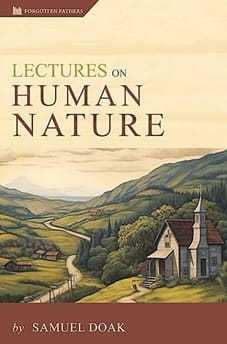
Lectures On Human Nature
A basic philosophy of human nature, likely influenced by Scottish common sense realism. Topics such as beauty, esteem, mind, man as a social creature, reason, memory, the will, and passions, are all touched on with Doak’s signature clarity and brevity.
Practical Lessons
What can we learn from this man? Many things, perhaps chief among them a hardy, pioneering spirit. This I judge to be one of his greatest virtues, which surely must have carried all his endeavors through to the end. Without it, he could have done nothing. I likewise judge it as one of the greatest needs of our own day: we are awash—comfortably and deceptively so—in the mush of levity, ease, and effeminacy; and our circumstances demand the building of new institutions, in large part because the old ones have been corrupted beyond repair and often hostile to our way of life. But new institutions will be built and our levity banished only by the due cultivation and execution of this hardy, pioneering spirit. In the "hardy" we find the call to suffer, to strain, to endure, and if need be, to war; and in the "pioneering" we are called to construct, to cut out a path where one does not exist but is increasingly necessary, to incarnate order upon the untamed wilds. Calloused, the palm; loaded, the rifle; whet, the will—this is the image. This is as much our task as faithful Christians as it is our inheritance as Americans.
Second to this, but not lacking in significance, is a commitment to learning and religion. Doak erected these twin pillars, not only in founding schools and churches, but also and especially in his regular labors as teacher and pastor. It has long been said that he who commands the youth commands the future. This is true. And just the same, Scripture says that if we train a child up in the way he should go, then when he is old he will not turn from it. But the principles hold both ways. What we witness today is their negative outcome, in large strokes: a dumbing-down of education and a devaluation of religion. Satan has made us stupid and profane. We don't know Latin, certainly not such that we can converse in it, and we often know far less; nor do we know the Bible, as evident by so much nonsense that passes for Christianity. This is nothing short of a betrayal—a betrayal of God, of our own fathers, and of ourselves. Our race holds the capacity for greatness, in natural learning and in spiritual power; and these are the double forces of great civilization. Thus, if we would again be great, we must have learning and religion.
Third, we must learn a readiness to risk and to fight. Say nothing of Doak himself, and take his parents: how could they, apart from a readiness to risk, have come to America? —forsaking their frosted and famined home, sailing across the ocean great, traversing across the land unknown, and settling in a territory fraught with untold dangers and toils. By blood the same impulse was in him, and it was what enabled him to manfully fight the Indians. Our situation today is not entirely dissimilar. No, we may not face the incursions of the Cherokees, but let it be known for certain: we are beset by our own Indian foes, along with innumerable other alien forces, all of whom must be opposed on this new frontier. Though they may not always murder us, yet nevertheless they still imperil us and act as our enemies, here upon the soil settled and sanctified by our own blood, purposing little more than expropriation, fraud, and idolatry—in part, an ignominious situation created by a tyranny of government, the very sort of nemesis fought against with ardor and pains in Doak's day, by which our American fathers secured independence. What, then, does the crisis call for and what does duty demand but a readiness to risk and to fight? Like him, let us pray. But like him, let us also, with all good courage, pursue the enemy.
To that end, I can do no better than to leave you with two accounts: first, the stage set by Crawford, and second, the stage filled by Doak with his words to the Overmountain Men, given just prior to the battle of King's Mountain.
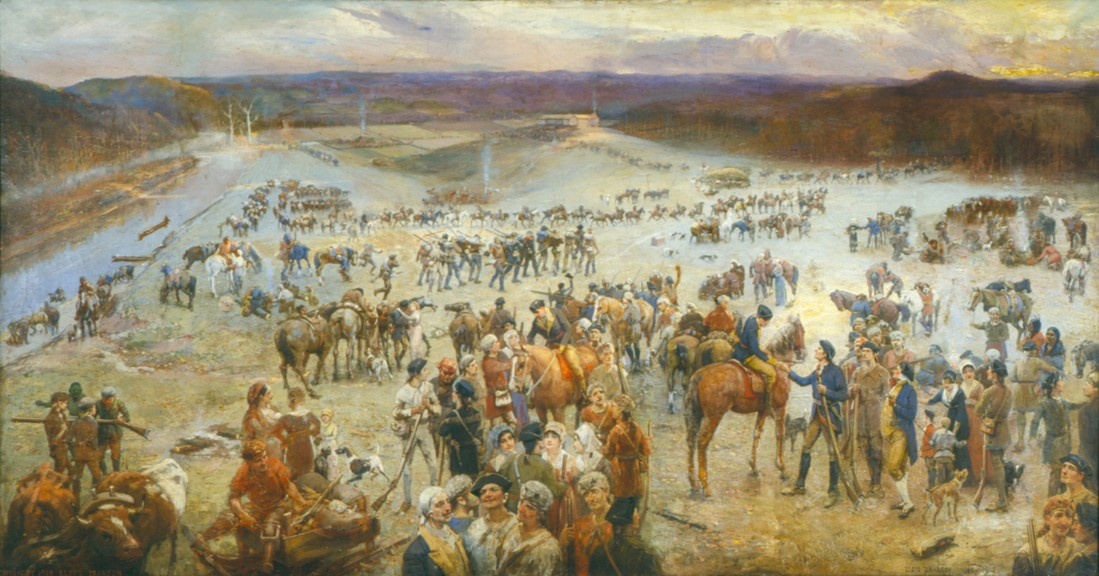
It was a stirring sight on that day in late September as more than a thousand frontiersmen, astride their horses, arrived at the rendezvous beside the Watauga River. Many were accompanied by their wives and children. Exciting sounds and smells filled the autumn air as the men made camp: the neighing of horses, men milling about, the creaking and clanking of leather and metal, the aroma of coffee and bacon mingled with woodsmoke.
Most of the men were Scotch-Irish settlers. Colonel John Sevier was there with 240 troops from Washington County; Colonel Isaac Shelby had brought 240 troops from Sullivan County; Colonel William Campbell arrived with 400 men from southwestern Virginia. On the morrow they were to begin their march across the mountains to give battle to the British forces.
It was the year 1780, and as summer passed into autumn the colonists’ cause was at its lowest ebb. As defeat followed defeat, it appeared that the war for independence was lost. Savannah, Augusta, Charleston had fallen in quick order. Cornwallis had obliterated General Gates’ army at Camden. The British Redcoats, joined by American Tories, were ready to advance into North Carolina. As Cornwallis and his army swept northward, he sent Major Ferguson, an able and experienced soldier, into the western part of the state to protect his flank.
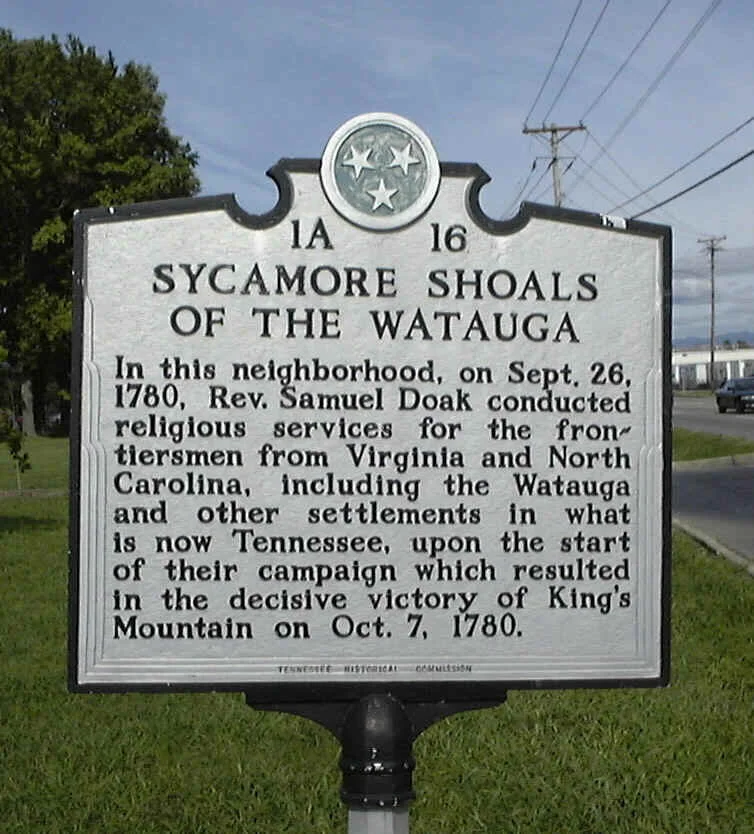
Ferguson sent word threatening to liquidate the settlements west of the mountains and hang their leaders. When this word reached Colonel Shelby, he rode sixty miles to confer with Colonel Sevier. They decided to take the offensive and sent messengers to the settlements calling for the militia to gather on September 25 at Sycamore Shoals on the Watauga, in what now is East Tennessee. On the morning of the 26th, leaving the older men behind to protect the women and children from the Indians, the frontiersmen rode forth to cross the mountains and engage the enemy. After many hours in the saddle, they caught up with Ferguson on October 7. He had stationed his force of about eleven hundred men atop King’s Mountain just south of the boundary line dividing the two Carolinas. There ensued one of the decisive battles of the Revolutionary War.
Sometime after noon the backwoodsmen encircled the mountain, dismounted, and began the assault from all sides, armed with their deadly Deckard rifles made in Lancaster, Pennsylvania. The battle lasted little more than an hour. Ferguson’s entire force was killed or captured, despite his boast before the battle that “all rebels outside of hell” could not successfully attack his position. Ferguson himself was killed. The battle of King’s Mountain “marked the turning of the tide of the Revolution.”
Colonels Campbell, Shelby, and Sevier were Presbyterian elders, as were Colonels Williams and Cleavland. Most of their troops came from the Presbyterian settlements. At Sycamore Shoals, before the frontiersmen had ridden out of camp on the morning of September 26, a young Presbyterian minister, thirty-one-year-old Samuel Doak, had preached to the assembled men in an open grove. “Leaning on their long rifles, they stood in rings round the black-frocked minister, a grim and wild congregation, who listened in silence to his words of burning zeal as he called on them to stand stoutly in the battle and to smite their foes.” He ended his rousing homily with the Biblical quotation, “The sword of the Lord and of Gideon,” and the men responded with a shout, “The sword of the Lord and of our Gideons.”
Thus far for Crawford.
Now, for Doak. May his words stir deep.
My countrymen, you are about to set out on an expedition which is full of hardships and dangers, but one in which the Almighty will attend you.
The Mother Country has her hands upon you, these American Colonies, and takes that for which our fathers planted their homes in the wilderness — OUR LIBERTY.
Taxation without representation and the quartering of soldiers in the home of our people without their consent are evidence that the Crown of England would take from its American Subjects the last vestige of Freedom.
Your brethren across the mountains are crying like Macedonia unto your help. God forbid that you shall refuse to hear and answer their call — but the call of your brethren is not all. The enemy is marching hither to destroy your homes.
Brave men, you are not unacquainted with battle. Your hands have already been taught to war and your fingers to fight. You have wrested these beautiful valleys of the Holston and Watauga from the savage hand. Will you tarry now until the other enemy carries fire and sword to your very doors? No, it shall not be. Go forth then in the strength of your manhood to the aid of your brethren, the defense of your liberty and the protection of your homes. And may the God of Justice be with you and give you victory.
Let us pray.
Almighty and gracious God! Thou has been the refuge and strength of Thy people in all ages. In time of sorest need we have learned to come to Thee — our Rock and our Fortress. Thou knowest the dangers and snares that surround us on march and in battle.
Thou knowest the dangers that constantly threaten the humble, but well beloved homes, which Thy servants have left behind them.
O, in Thine infinite mercy, save us from the cruel hand of the savage, and of tyrant. Save the unprotected homes while fathers and husbands and sons are far away fighting for freedom and helping the oppressed.
Thou, who promised to protect the sparrow in its flight, keep ceaseless watch, by day and by night, over our loved ones. The helpless woman and little children, we commit to Thy care. Thou wilt not leave them or forsake them in times of loneliness and anxiety and terror.
O, God of Battle, arise in Thy might. Avenge the slaughter of Thy people. Confound those who plot for our destruction. Crown this mighty effort with victory, and smite those who exalt themselves against liberty and justice and truth.
Help us as good soldiers to wield the SWORD OF THE LORD AND GIDEON.
AMEN.
ATTENTION READER:
American Mantle exists for the renewal of godliness and righteous power in America. We often go where others rarely dare, directly addressing taboos on faith, ethics, politics, and history.
We are Americans by blood and soil. Our own forefathers conquered and cultivated our homeland, and through great faith, bold strategy, and statesmanship secured the blessings of liberty to themselves and their posterity. We are their posterity, and we resolve to follow them. Join us in this mission.
Donate now to support us.